Baking that works perfectly in January can misbehave in July, and in Mooresville the reason hangs in the air. Piedmont summers are hot and humid, flour drinks moisture from the room, butter softens minutes after it leaves the refrigerator, and a meringue that behaved last week weeps on a rainy afternoon. None of this means home baking is hopeless here. It means a handful of small adjustments, matched to the symptom you are seeing, fix most of what humidity breaks.
This is a troubleshooting guide, organized the way problems actually show up: symptom first, likely cause next, then the fix. Linden Bakery works with the same climate at production scale, and the principles that keep a bakery consistent through a North Carolina summer are the same ones that work in a home kitchen, just in smaller batches.
Flour, sugar, and storage symptoms
Symptom: cookies spread into thin, greasy discs. Likely cause: butter that started too warm, made warmer by a hot kitchen, plus dough that went straight from mixing to a hot oven. Fix: chill the portioned dough for at least 30 minutes, and work with butter that is cool and pliable rather than soft and shiny. In summer, mixing in the morning while the kitchen is coolest genuinely helps.
Symptom: cakes and muffins bake up heavy or slightly gummy. Likely cause: flour that has absorbed ambient moisture, so your measured cup holds more flour and throws off the liquid balance. Fix: weigh flour when you can, since weight does not change with humidity. Store flour in an airtight container rather than its paper bag, and keep it in a cool pantry, not above the stove. The same applies to powdered sugar, which clumps in humidity and should be sifted before it goes into frosting.
- Symptom: meringue is sticky, soft, or weeping beads of syrup. Cause: sugar pulling moisture from humid air, worst on rainy days. Fix: bake meringue on the driest day available, use a little cornstarch or cream of tartar for stability, and store finished meringue in an airtight container the moment it cools.
- Symptom: pie crust shrinks, slumps, or turns tough. Cause: butter melting into the flour before baking, plus overworking in a warm kitchen. Fix: chill the flour and bowl on very hot days, keep the dough cold at every stage, and rest the shaped crust in the refrigerator for 30 minutes before it goes into the oven.
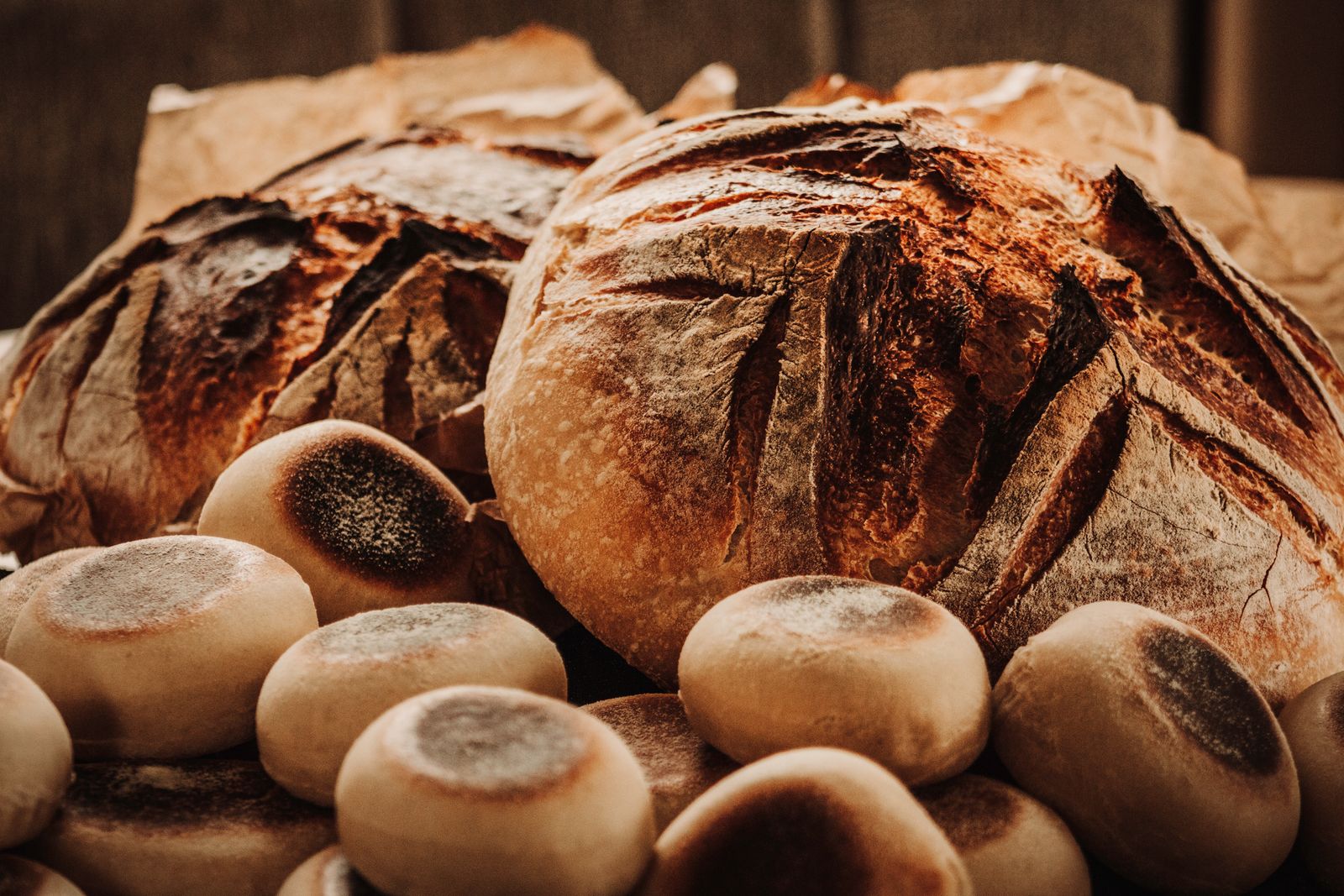
- Symptom: bread dough proofs too fast, then tastes bland or collapses. Cause: a warm, humid kitchen accelerates yeast. Fix: use cooler water in the mix, proof in the coolest room you have, or move part of the rise into the refrigerator for a slow, flavor-building retard.
- Symptom: frosting slides, melts, or will not hold a piped edge. Cause: buttercream made and used in a hot room. Fix: chill the frosting briefly, decorate in a cooled kitchen, and refrigerate the finished cake until shortly before serving. A small share of the butter swapped for a more heat-stable fat also steadies summer frosting.
- Symptom: baked goods mold in two days on the counter. Cause: humid air and sealed plastic trapping moisture. Fix: cool items completely before covering, store bread in paper rather than plastic, and freeze anything that will not be eaten within two days in summer.
- Symptom: yeast bread smells faintly sour or over-proofed even when timed right. Cause: your recipe's times were written for a cooler kitchen. Fix: judge by the dough, not the clock. In summer, check proofing at about three quarters of the stated time.
Meringue deserves its own warning
Of all Piedmont baking problems, meringue on a rainy day is the classic. Pavlova, meringue pie toppings, and crisp meringue cookies all rely on a foam of egg white and sugar drying into a crisp structure. Humid air fights every step, softening the finished product from the outside in. Professionals bake meringue when the weather cooperates and choose a different dessert when it does not. That is not defeat. It is scheduling, and home bakers in Mooresville have the same option: check the forecast before you promise a lemon meringue pie for Saturday.

The through-line in all of these fixes is temperature control. Humidity problems are usually heat problems wearing a disguise. Chill the dough, cool the kitchen when you can, weigh the flour, and judge by look and touch rather than the timer, and most summer baking comes back into line without changing a single recipe.
Common questions
Should I change my recipes for summer?
Usually not the ingredients, just the handling: weigh flour, chill doughs and crusts, use cooler water for bread, and shorten proofing checks. Those adjustments fix most humidity problems.
Why did my meringue weep on a rainy day?
Sugar in meringue absorbs moisture from humid air, which softens the foam and produces syrup beads. Dry days, stabilizers, and airtight storage right after cooling help most.
Where should I store flour in a humid climate?
In an airtight container in a cool, dry pantry, away from the stove and dishwasher steam. Properly stored flour keeps well for months without refrigeration.
Photos in this guide are representative stock images.
← All guides from Linden Bakery← Back to Linden Bakery