You brought home a good loaf from Mooresville on Saturday morning. By Monday it is either still worth eating or it has gone leathery, stale, or faintly moldy, and the difference is almost always storage. Bread is a living product in one specific sense: its starches keep changing after baking. How you store it decides whether that change works for you or against you. If you have never thought through bread storage step by step, this walkthrough is the whole process, in order.
Linden Bakery bakes artisan breads alongside croissants, pastries, cakes, and custom orders, and good bread deserves better than a guess. The core rule surprises most people the first time they hear it: the refrigerator is the worst of the three common storage spots. The steps below explain why, and what to do instead.
What is actually happening inside the loaf
Staling is not mainly drying out. It is a process called retrogradation, in which starch molecules in the crumb recrystallize and push water out of the structure, turning a soft slice firm and crumbly. It happens fastest at refrigerator temperatures, roughly just above freezing up to about 50 degrees. That is the counterintuitive part. The fridge does not pause staling. It accelerates it, which is why a refrigerated loaf can taste older in one day than a counter loaf does in three. Freezing, by contrast, drops the temperature fast enough to largely stop the process, which is why the freezer is bread's real long-term home.
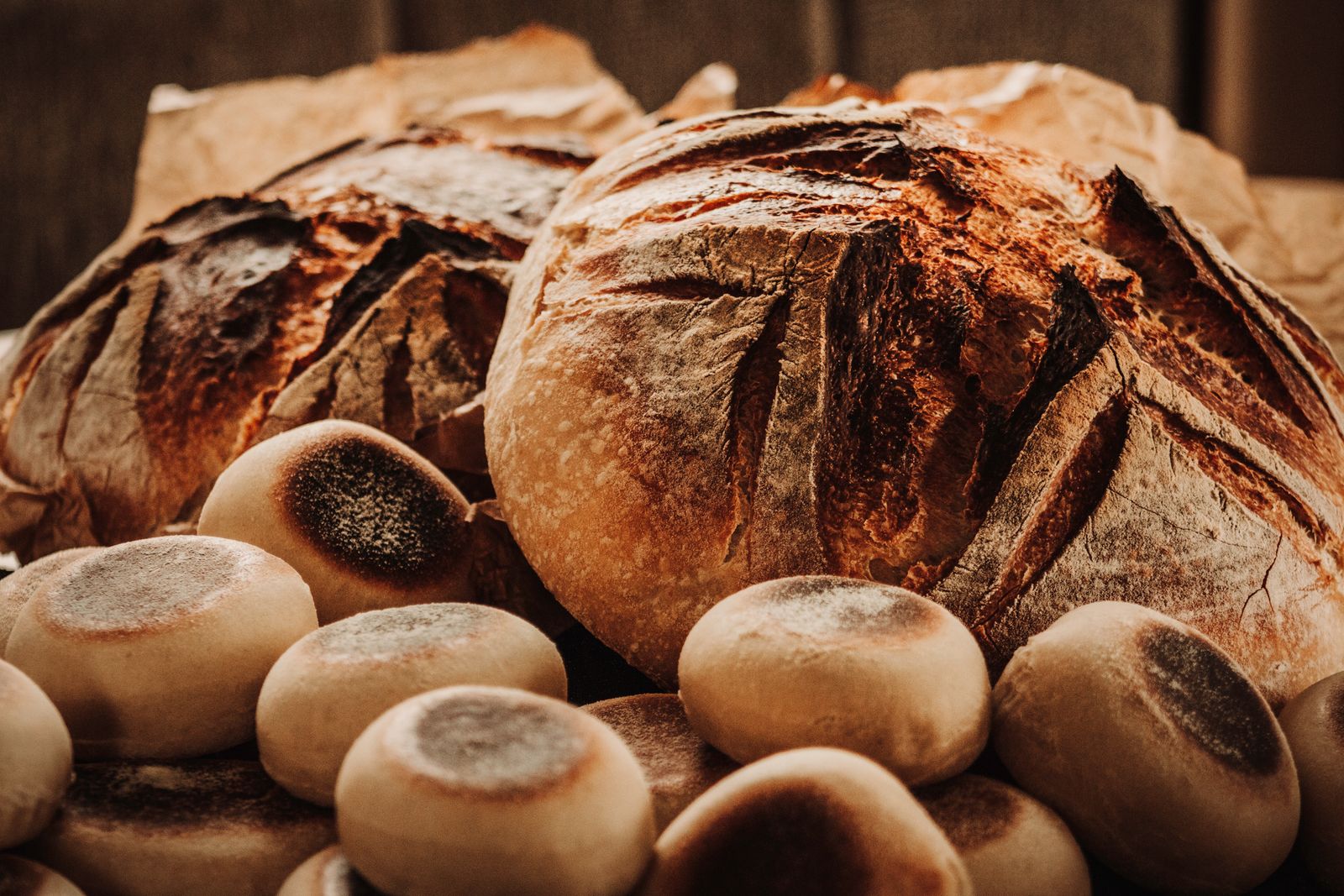
Storing a loaf, step by step
- Let it cool completely before storing. A warm loaf sealed in a bag steams itself, softening the crust and inviting mold. Wait until the loaf is fully at room temperature, usually at least an hour after baking or buying.
- Decide the eating window first. Eating it within two to three days means counter storage. Eating it over the week means the freezer. There is no good middle option, because the middle option is the refrigerator.
- For the counter, store it cut side down or bagged loosely. A crusty loaf keeps best with its cut face pressed against the cutting board, or in a paper bag inside a bread box. Plastic traps moisture against the crust and turns it soft, so save plastic for soft sandwich loaves.
- For the freezer, slice before you freeze. Wrap the loaf or slices tightly, removing as much air as you can. Frozen bread keeps good quality for about three months. Slicing first means you can take out two slices at a time instead of thawing a whole loaf.
- Refresh, do not just thaw. Frozen slices go straight into the toaster. A whole or partial loaf revives in a 350-degree oven for 10 to 15 minutes, which re-crisps the crust. A quick sprinkle of water on the crust before the oven helps crusty styles.
- Keep bread away from heat and sun on the counter. The top of the refrigerator and the counter next to the stove are warm spots that speed mold, which matters in Mooresville's humid summers. A cool, dry spot away from the fruit bowl, whose ripening fruit gives off moisture and gases, is best.
Different breads, different rules
Lean crusty breads, like sourdough and baguettes, stale in texture long before they spoil, and they respond best to the refresh bake above. A baguette is honestly a same-day product; freeze what you will not eat that day. Enriched breads with eggs, butter, or milk, like brioche and challah, keep a day or two longer on the counter thanks to the fat, and they mold sooner than lean breads, so watch them in warm weather. Soft sandwich loaves tolerate a plastic bag on the counter well because their crust is meant to be soft anyway.
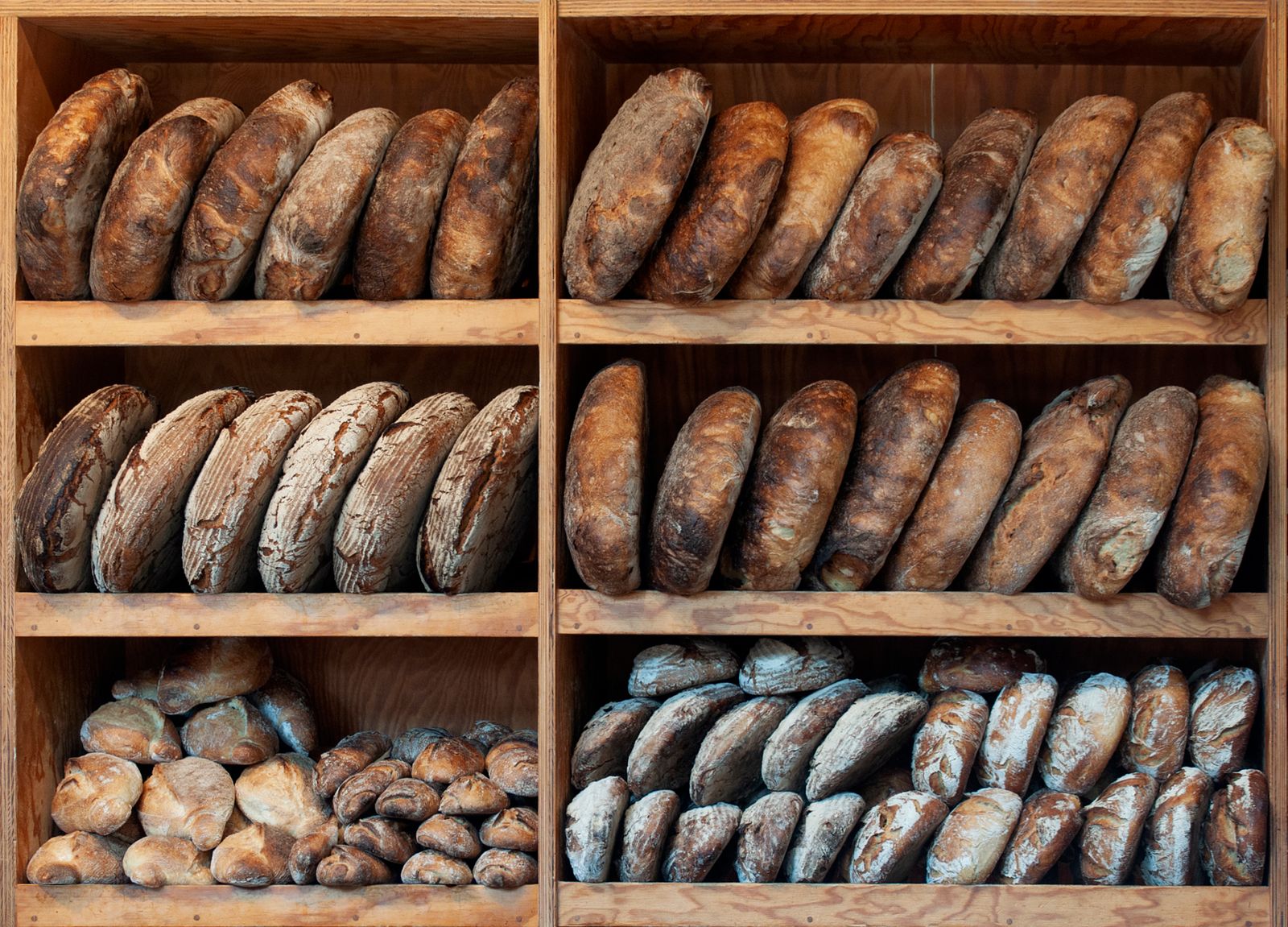
One last habit separates people who always have good bread from people who do not: buy for the plan. Two smaller purchases a week beat one large one that spends day four in a bag. Bread freezes so well that there is no penalty for buying a second loaf and freezing half of it sliced, ready for toast.
Common questions
Why does the refrigerator ruin bread?
Starch recrystallization, the main cause of staling, happens fastest at refrigerator temperatures. Bread stored cold goes firm and crumbly faster than bread on the counter.
How long does frozen bread keep?
About three months at good quality when wrapped tightly with the air pressed out. Slice before freezing so you can thaw only what you need.
Can I save a loaf that already went stale?
Often, yes. A 10 to 15 minute refresh in a 350-degree oven restores crust and softens crumb. Truly dry bread is better used as croutons, crumbs, or bread pudding.
Photos in this guide are representative stock images.
← All guides from Linden Bakery← Back to Linden Bakery