The phrase scratch bakery sounds like a simple promise: everything made from basic ingredients, nothing from a box. Real bakery production is more interesting than that, and more honest than the slogan suggests. Nearly every working bakery, including good ones in Mooresville, uses a mix of fully scratch work, prepared components, and practical shortcuts, and the quality of the result depends on where those lines are drawn, not on whether a bag was opened somewhere in the building.
This is a how-to for reading a bakery accurately: what to look at, what to ask, and how to tell the difference between a bakery doing skilled work and one doing skilled marketing. Linden Bakery lists artisan breads, croissants and pastries, cakes, and custom orders, a range that itself hints at how many different production methods one kitchen uses in a single day.
What scratch actually covers, step by step
Start with bread, because bread is where scratch claims are most meaningful. A scratch bread program means flour, water, salt, and yeast or a maintained starter, mixed and fermented in-house. The skill lives in fermentation management: dough temperature, timing, shaping, and reading the proof. Steps in a real scratch bread day look like this.
- Weigh and mix. Flour, water, salt, and leavening are scaled by weight, not scooped, because hydration percentage is what makes a dough predictable from batch to batch.
- Ferment in bulk. The dough rests and develops flavor and structure, with folds at intervals for stronger doughs. This stage takes hours and cannot be compressed without losing flavor.
- Divide, shape, and proof. Portions are weighed, shaped to build surface tension, then proofed until they pass a touch test, not just a timer.
- Bake with steam where it counts. Crusty loaves get steam early in the bake so the crust sets glossy and crisp instead of dull and thick.
- Maintain the starter or the schedule. A sourdough program includes feeding a starter daily, including days the bakery is closed. That ongoing labor is the clearest sign of a genuine scratch bread operation.
Where mixes and prepared components fit honestly
Now the part the slogan leaves out. Many excellent bakeries use a commercial base or mix for certain items, and it does not automatically mean low quality. A consistent cake base can produce a more reliable crumb than a scratch formula in the hands of a small staff. Fillings, glazes, and some laminated doughs are commonly bought in because making puff pastry or croissant dough from scratch daily is an enormous labor commitment that only some bakeries choose to take on. The honest distinction is disclosure, not purity.
What scratch does not mean: it does not mean every ingredient is raw. No bakery mills its own flour or churns its own butter, and nobody expects it to. It does not mean healthier, since a scratch cake and a mix cake can carry similar sugar and fat. And it does not mean the item was made today. Scratch items are routinely baked ahead and frozen or held, because production has to be batched.

How to judge what you are buying
Look at the bread first. Irregular scoring, varied color, and loaves that are not identical clones suggest hand shaping and real fermentation. Ask one plain question: is the sourdough made in-house? Staff at a bakery that does the work answer easily. Watch the case over repeat visits. A case that changes with the week and the season reflects production decisions. A case that is identical every day of the year suggests a freezer and a distributor.
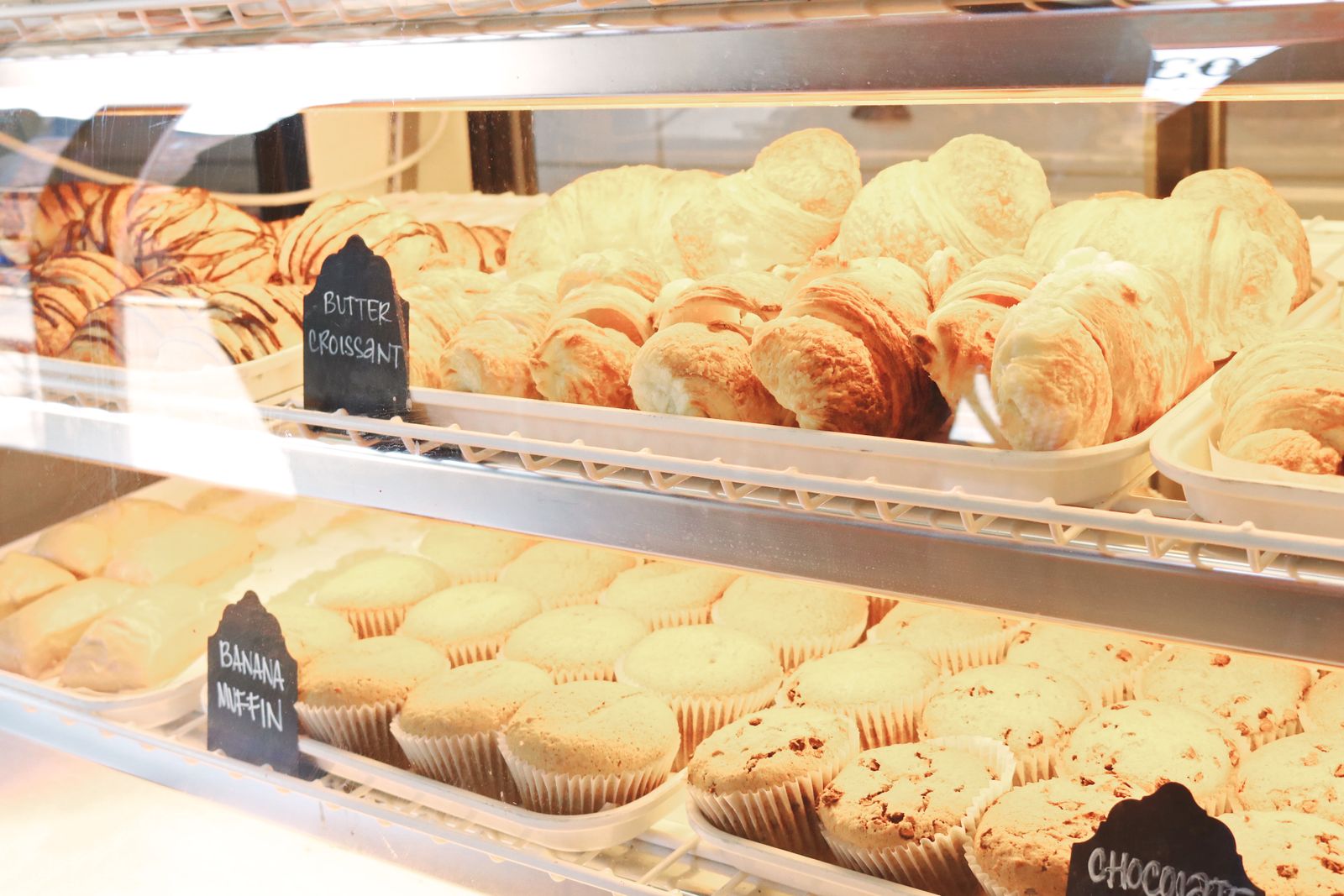
For cakes and pastries in Mooresville, judge the crumb and the finish rather than the label. A moist, even crumb, frosting that tastes like butter and not like sweetened shortening alone, and fruit fillings that taste like fruit are the result of good ingredients and good handling, whether the first step was a scratch formula or a well-chosen base finished in-house.
Price is the last place the scratch question misleads people. A scratch item is not automatically the expensive one, and a mix-based item is not automatically the cheap one, because ingredients, labor, and waste all move the number more than the label does. A bakery that ferments its own dough spends on skilled hours. A bakery that buys excellent prepared components spends on the components. Either way, what you want to taste is care in the stages the bakery controls, and that care shows in the crumb whether or not a particular base arrived in a bag.
Common questions
Does scratch-made mean everything is made from raw ingredients?
No. It generally means core items like doughs and batters are built in-house from basic ingredients. Flour, butter, chocolate, and similar staples are always bought in.
Is a bakery using a mix cutting corners?
Not automatically. Mixes and prepared components are standard tools. What matters is which items use them, the quality of the finishing work, and whether the bakery is straight about it.
How can I tell if bread is genuinely made in-house?
Look for hand-shaped variation, strong crust, and open crumb in lean breads, and ask whether the starter or dough is maintained on site. Real programs answer that easily.
Photos in this guide are representative stock images.
← All guides from Linden Bakery← Back to Linden Bakery